Study In South Korea
Why Study in South Korea from Nepal?
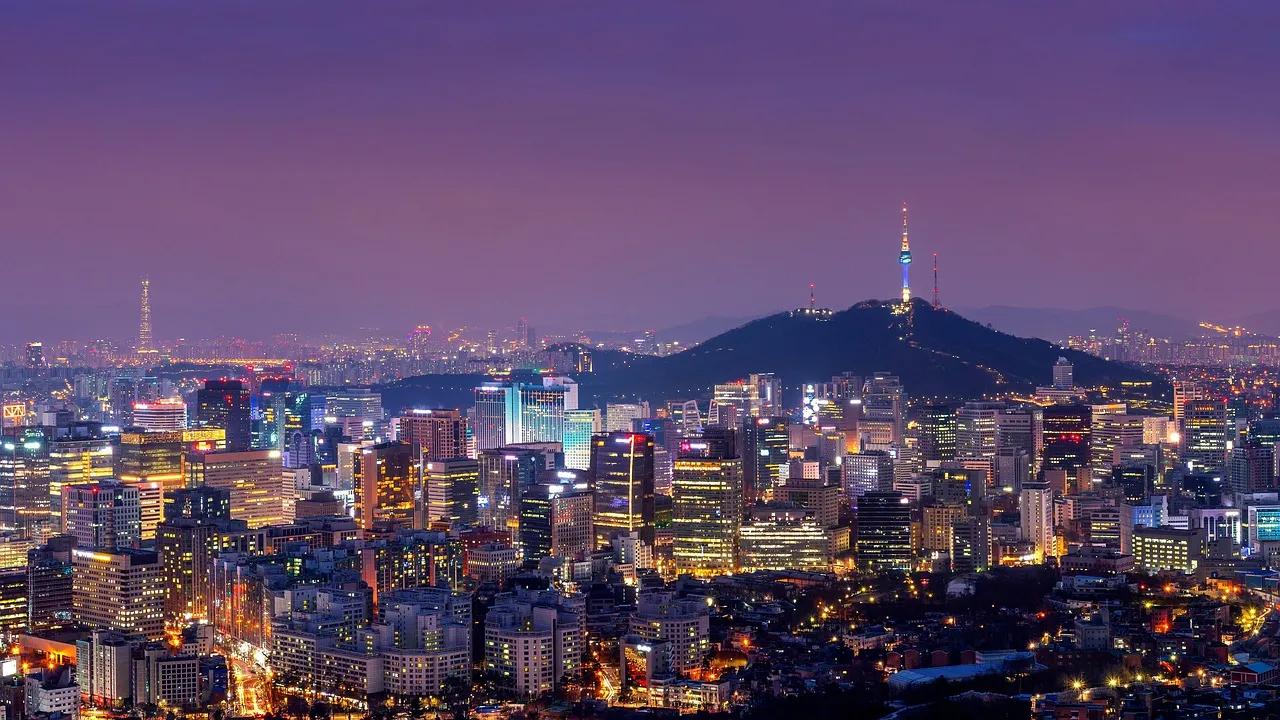
As a prominent global leader in advanced electronics and digital innovation, South Korea provides an exceptional combination of high-tech research facilities and dynamic cultural experiences. Universities in Seoul and surrounding provinces offer top-tier structural instruction in artificial intelligence, automotive system planning, and business administration, backed by expanding international post-study employment pathways.
Is South Korea Good for Nepali Students?
South Korea is an excellent fit for Nepalese students who value hard work, modern technical ecosystems, and shared Asian cultural principles. The country provides practical learning paths and high-tech research opportunities, alongside clear frameworks to earn income through part-time work during your studies.
Top Universities in South Korea
Rank in Korea | University Name | Location (City) |
|---|---|---|
| 1 | Seoul National University | Seoul |
| 2 | KAIST (Korea Advanced Institute of Science & Technology) | Daejeon |
| 3 | Yonsei University | Seoul |
| 4 | Korea University | Seoul |
| 5 | POSTECH (Pohang University of Science and Technology) | Pohang |
Intakes in South Korea for International Students
- Spring Semester: March (The primary academic intake; applications open around September)
- Fall Semester: September (The secondary major intake; applications open around Max/April)
Popular Study Fields for Nepali Students in South Korea
- Smart Systems & Software Engineering: Cutting-edge computing paths linked to major research labs.
- Business Analytics & International Trade: Global commerce programs taught in English within dedicated international colleges.
- Biotechnology & Genetic Engineering: Advanced laboratory programs addressing biomedical engineering and pharmacy.
- Korean Language Studies: Foundational language pathways that pave the way for regular academic degree entries.
Requirements to Study in South Korea from Nepal
Eligibility Criteria
- Undergraduate Degrees: Fulfill 12 years of regular schooling (+2 or equivalent level).
- Graduate Degrees: Hold a Bachelor’s degree matching the target research track.
Language Proficiency
- Korean-Medium Tracks: Fulfill a minimum proficiency score of TOPIK Level 3 or 4.
- English-Medium Tracks: Fulfill an IELTS Academic score of 5.5 to 6.0, or equivalent scores on the TOEFL iBT.
Financial Proof
Applicants must demonstrate financial capacity by presenting a bank balance statement (typically showing $18,000 to $20,000 USD held for a specified duration) to secure the required visa code verification from Korean immigration.
How much Study Gap is Accepted in South Korea?
South Korean universities prefer a continuous academic history, but they do accept study gaps of 1 to 3 years. If you have a longer gap, you can still apply successfully by providing clear proof of career development, language training, or technical work experience during that time.
Visa Requirements and Process
To apply for a D-2 Student Visa at the Republic of Korea Embassy in Nepal, you will need:
- Certificate of Admission (CoA): Official acceptance documents issued by your host university.
- Academic Credentials: Transcripts and diplomas authenticated with consular or Apostille verification.
- Financial Capability Verification: Bank balance statements verifying self-funding or formal sponsorship.
- Tuberculosis Test Certificate: Health screening results from an embassy-designated laboratory.
How to get a Student Visa for South Korea from Nepal?
- University Acceptance: Receive your formal Certificate of Admission (CoA) from your chosen university.
- Document Verification: Ensure your academic transcripts are properly verified and stamped by the relevant educational authorities in Nepal.
- Visa Application Submission: Complete the official visa application forms and submit them, along with your passport and physical documents, to the Korean Embassy in Kathmandu.
- Embassy Interview: If requested, attend a brief interview to verify your language skills and study intent.
- Visa Issuance: Collect your approved passport vignette to prepare for your departure.
Maintaining Visa Status
You must maintain a strong GPA, register for your Alien Registration Card (ARC) within 90 days of arrival, and obtain formal permission from your university's international office before starting any part-time work.
Scholarship Support in South Korea for Nepali Students
- Global Korea Scholarship (GKS - Fully funded by the government)
- Korean Government Support Program for Foreign Exchange Students
- University-Specific International Merit Scholarships (Offering 30% to 100% tuition waivers)
Total Cost to Study in South Korea from Nepal
Tuition Fees (Estimated Yearly)
- Public Universities: $3,000 to $6,000 USD per year.
- Private Universities: $5,000 to $10,000 USD per year (STEM tracks are typically higher).
Living Expenses (Estimated Monthly)
- On-Campus Dormitory / Studio (One-room): $300 to $550 USD
- Food & Daily Meal Plans: $250 to $400 USD
- Public Bus & Subway Transit: $40 to $80 USD
- Utility & Personal Expenses: $100 to $150 USD
Working While Studying in South Korea
- Work Policy: International students with an active D-2 visa can work part-time up to 20 or 30 hours per week (depending on their language proficiency level) during semesters, with unlimited hours allowed during winter and summer breaks.
- Potential Income: Students typically earn $800 to $1,400 USD per month, which easily covers regular living expenses.
- Common Job Roles: Coffee shop baristas, convenience store clerks, restaurant staff, campus library assistants, and English tutors.